TRANS ATLANTIC
14/12/2017
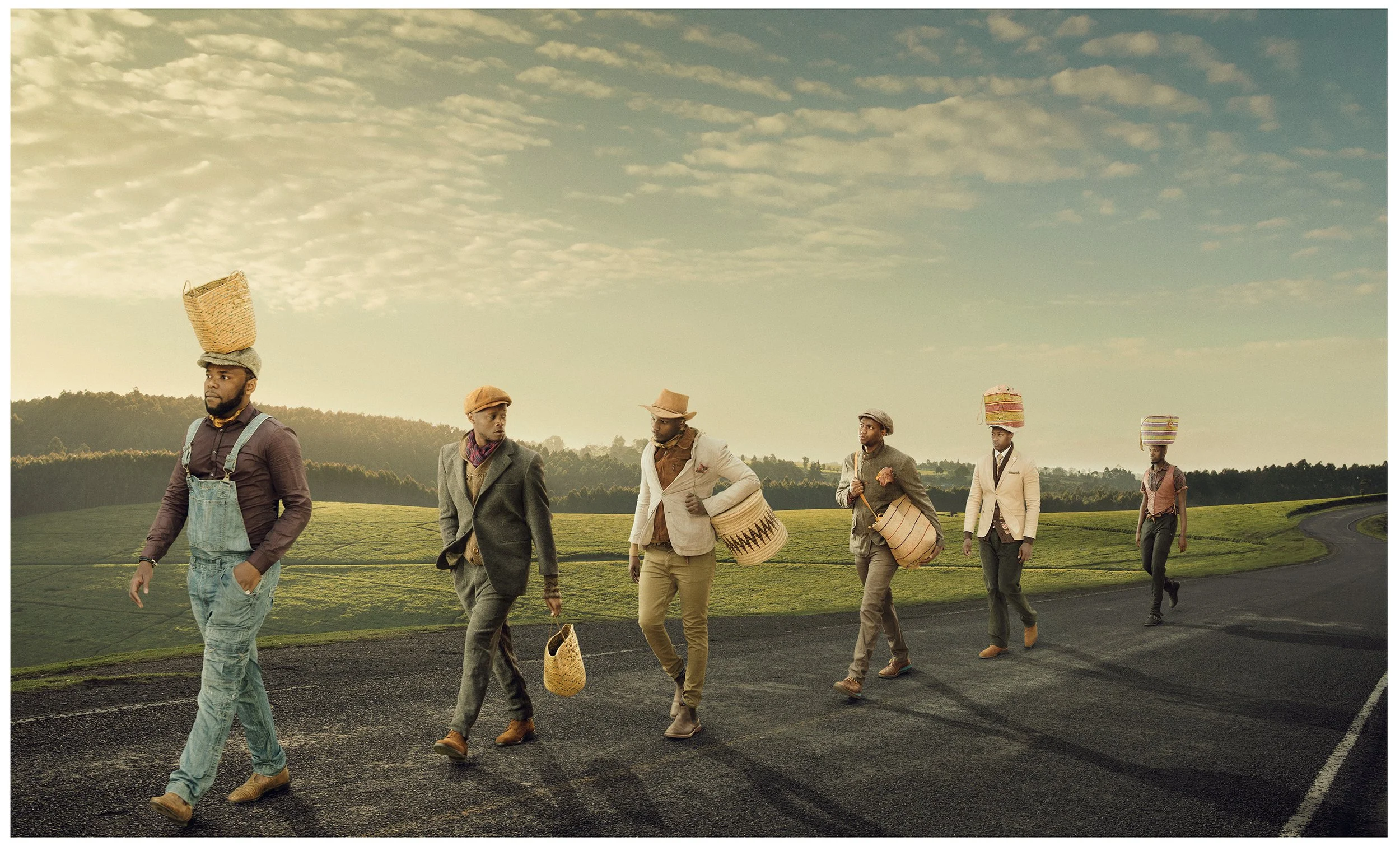
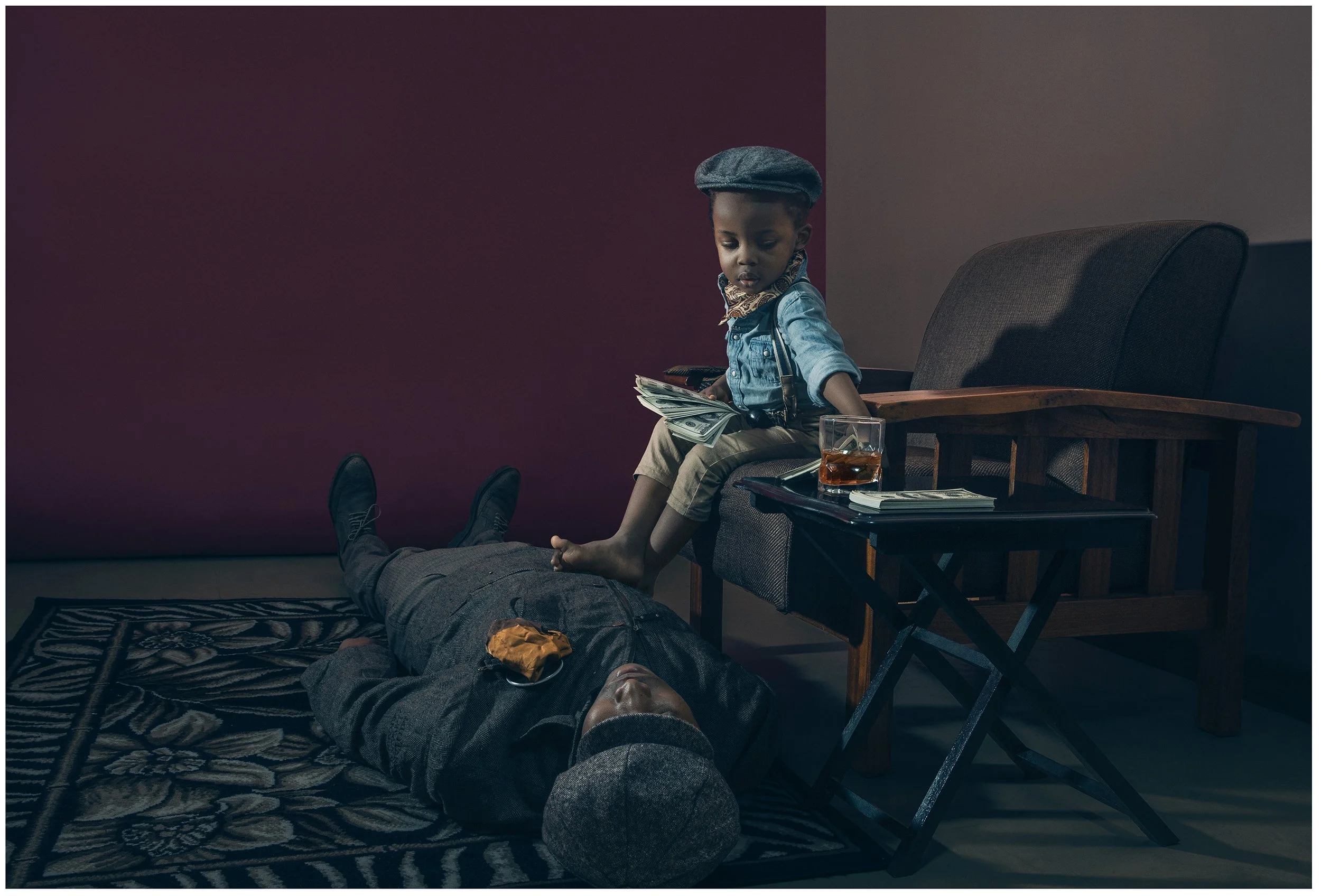
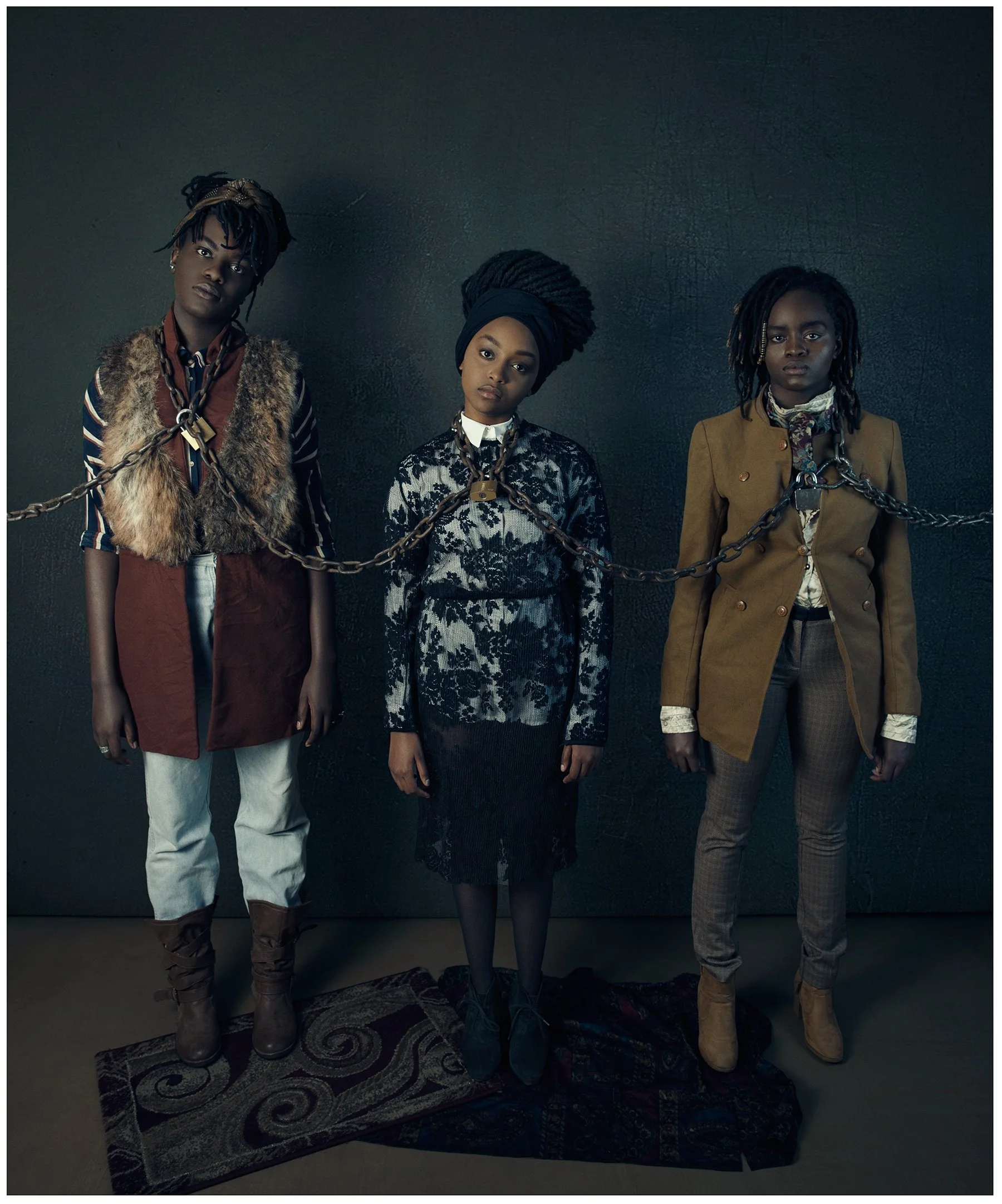
Trans Atlantic had been a shelf idea for a little over two years and when we brought it out and breathed some life into it a few weeks ago, there could not have been a more valid time. Initially, our original idea was to visually discuss topics such as race, slavery and class from a lifestyle reference point while drawing inspiration from the Trans Atlantic triangular trade and by the time we were almost done putting the project together Libya had successfully singlehandedly revived the memories of this turbulent part of history all over again in the most vivid, practical way. As a result, and as our duty as being conscious global citizens, we decided to add our own independent voice into this global conversation that is currently taking place. Not necessarily as a social commentary like how most creative artists would want to, but more simply as a visual illustration of some of the interchangeable themes and mixed feelings that come to mind on the subject.

Initially, when we were thinking about the best fashion to narrate the Trans Atlantic as a story in the modern time we live in, we were inspired by a hypothetical scenario of an old man who had lived through the days of slave trade and now many years later, he was sitting with his great grand daughter telling her this history of mankind. A story of horror and triumph, hope and fear, a story of pain and joy living side by side, of how the mighty and strong gang up against the weaklings, with the weaklings and for the weaklings on a carefully crafted fallacy. We were particularly interested in discussing the profound similarities between history and the modern time we live in on a lifestyle level and how technology and other socio-economic factors have changed and continue to change but mentalities seem to possess some durable irresistibility to change.